Korean Bibimbap
Uitgelicht onder: Wereldse Keuken
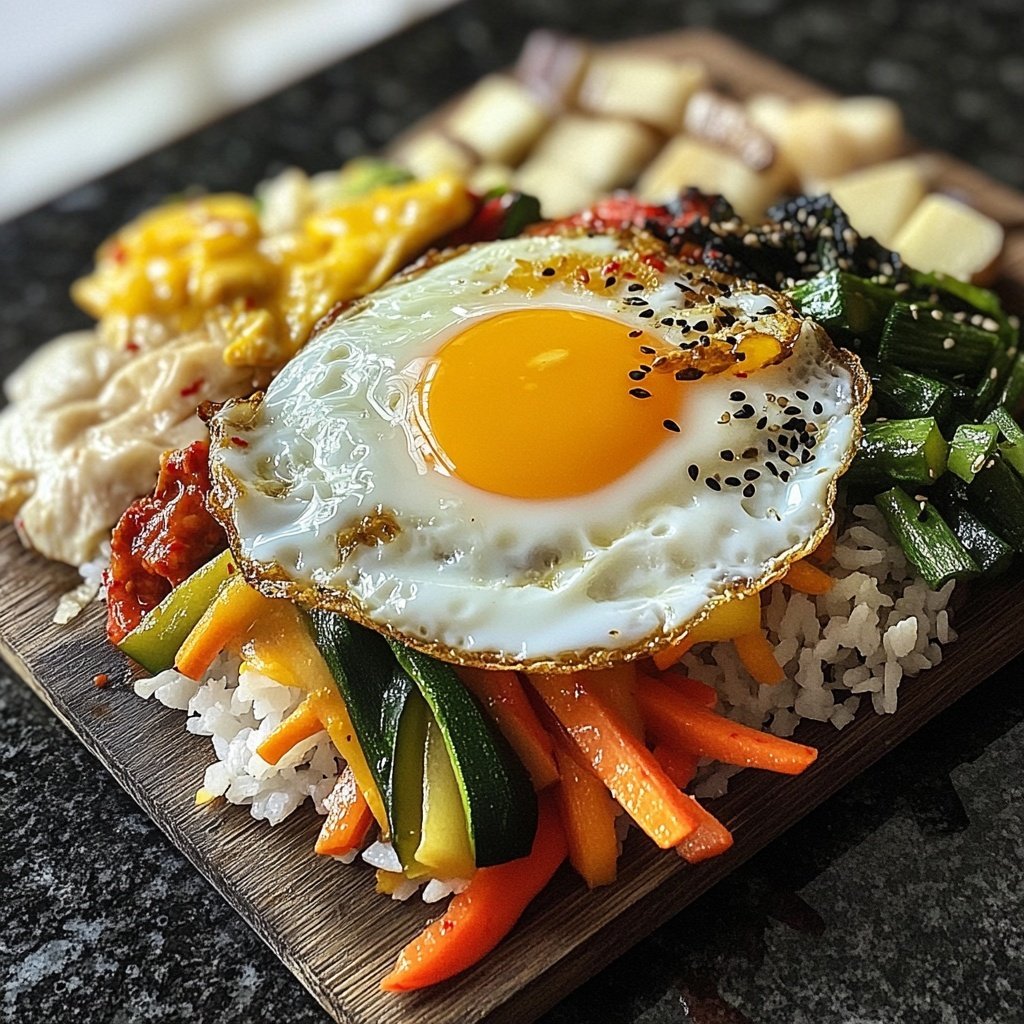
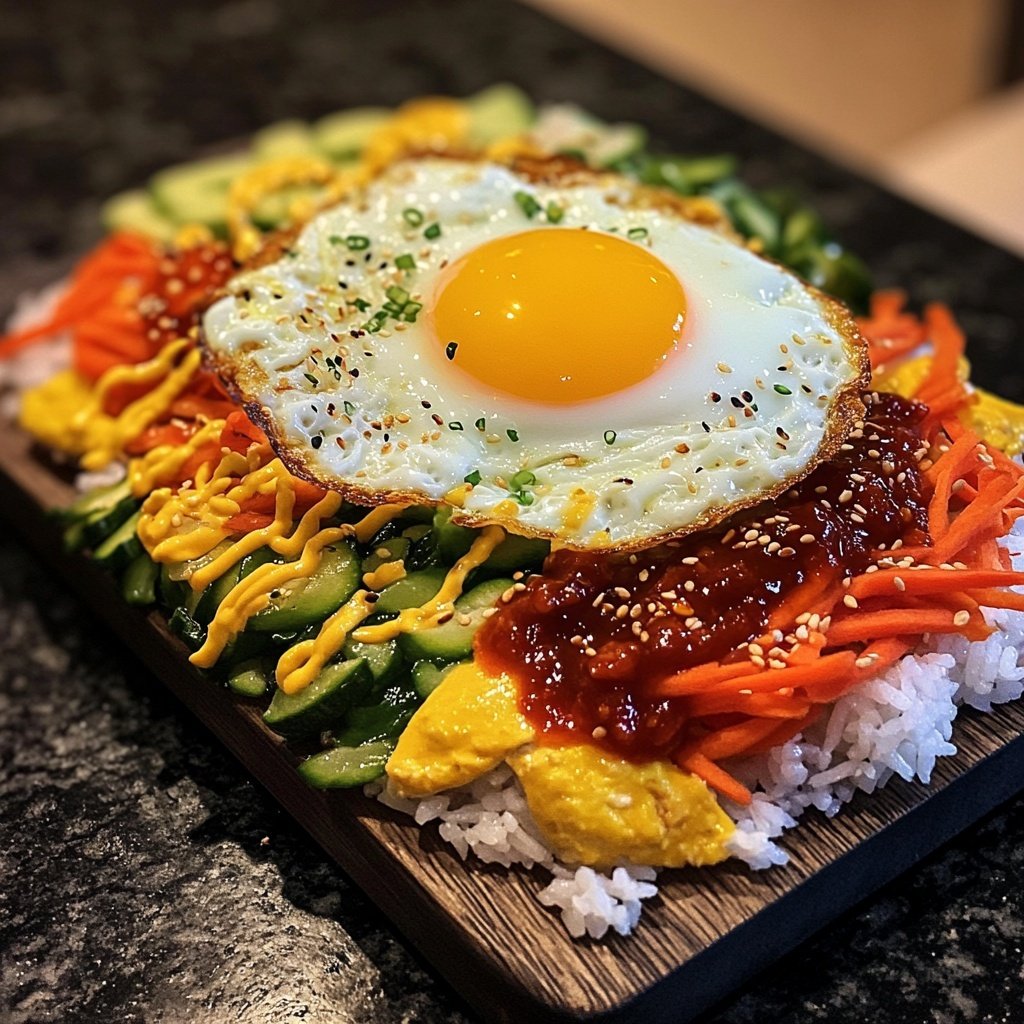
Korean Bibimbap is a vibrant and nutritious dish that features a colorful array of vegetables, rice, and a savory sauce, making it a delightful meal for any occasion.
Korean Bibimbap is more than just a meal; it's a celebration of flavors and textures. Traditionally served in a hot stone bowl, this dish combines warm rice with an assortment of sautéed and seasoned vegetables, topped with a perfectly fried egg and spicy gochujang sauce.
Why You Will Love This Recipe
- A colorful presentation that pleases the eye
- Packed with fresh vegetables and wholesome ingredients
- Customizable to your taste with various toppings
The History of Bibimbap
Bibimbap is a traditional Korean dish that has roots dating back to the late 19th century. It was originally a meal served to the royal court, showcasing the abundance of seasonal vegetables available in Korea. The dish's name translates to 'mixed rice,' which reflects its core philosophy of combining various ingredients into a harmonious meal.
Over the years, bibimbap has evolved into a staple of Korean cuisine, loved for its vibrant presentation and nutritional balance. Each ingredient is carefully chosen not only for flavor but also for color and texture, resulting in a visually stunning dish that is as delicious as it is beautiful.
Nutritional Benefits
Korean Bibimbap is not only a feast for the eyes but also a powerhouse of nutrients. The dish is loaded with fresh vegetables, each contributing its unique vitamins and minerals. Spinach, for instance, is rich in iron and antioxidants, while carrots provide beta-carotene, promoting good vision and skin health.
Moreover, the inclusion of brown rice boosts fiber content, aiding digestion and promoting a feeling of fullness. With the addition of protein from the eggs and the healthy fats from sesame oil, bibimbap is a well-rounded meal that supports overall well-being.
Customization Options
One of the greatest joys of making bibimbap at home is the ability to customize it to your personal taste. While traditional ingredients are delicious, feel free to substitute or add your favorite vegetables. Broccoli, bell peppers, or even kimchi can provide a delightful twist, allowing you to experiment with flavors and textures.
Additionally, you can adjust the level of spice by varying the amount of gochujang used. For those who prefer a milder taste, mixing the gochujang with a bit of honey or sugar can create a sweet and savory sauce that everyone will enjoy.
Ingredients
For the Bibimbap
- 2 cups cooked rice (white or brown)
- 1 cup spinach, blanched and squeezed dry
- 1 cup bean sprouts, blanched
- 1 cup carrots, julienned and sautéed
- 1 cup zucchini, julienned and sautéed
- 1 cup shiitake mushrooms, sliced and sautéed
- 4 eggs
- 4 tablespoons gochujang (Korean red pepper paste)
- 2 tablespoons sesame oil
- 1 tablespoon soy sauce
- Sesame seeds for garnish
- Green onions, chopped for garnish
Mix and match your favorite vegetables for a personalized touch!
Steps
Prepare the Rice
If you haven't already, cook the rice according to package instructions. Set aside to keep warm.
Sauté Vegetables
In a pan, sauté the carrots, zucchini, and shiitake mushrooms separately until tender. Season with a pinch of salt and sesame oil.
Fry the Eggs
In the same pan, fry the eggs sunny-side up until the whites are set but the yolks are still runny.
Assemble the Bibimbap
In a bowl, place a serving of warm rice and arrange the sautéed vegetables, blanched spinach, and bean sprouts on top. Add the fried egg on top.
Add Sauce
Drizzle with gochujang and sesame oil, and sprinkle with sesame seeds and green onions. Mix well before eating!
Enjoy your delicious homemade Korean Bibimbap!
Professionele Tips
Feel free to add your favorite proteins like beef, chicken, or tofu for a more filling meal.
Serving Suggestions
Bibimbap can be served as a standalone dish, but it pairs wonderfully with a side of Korean pickles or kimchi to enhance the meal's flavor profile. The tanginess of pickled vegetables complements the richness of the fried egg and the savory sauce, creating a delightful balance of tastes.
For a complete dining experience, consider serving bibimbap with a light soup, such as miso or a Korean seaweed soup. This adds warmth and variety to the meal, making it perfect for family gatherings or special occasions.
Storage and Reheating
If you have leftovers, bibimbap can be stored in an airtight container in the refrigerator for up to three days. To maintain the freshness of the vegetables, it's best to keep the sauce separate until you're ready to eat.
When reheating, warm the rice and vegetables gently in a skillet or microwave. If you prefer a crispy texture, consider pan-frying the mixture for a few minutes. This will revive the flavors and ensure a satisfying meal any time of day.
Variations Around the World
Bibimbap has inspired numerous international variations, reflecting local tastes and ingredients. For example, in Japan, a similar dish called 'gyudon' features rice topped with beef and vegetables, while in Vietnam, 'com tam' showcases broken rice served with grilled meats and fresh herbs.
These adaptations highlight the universal appeal of bibimbap and its versatility as a meal. No matter where you are in the world, the concept of mixing rice with flavorful toppings resonates, making it a beloved dish across cultures.
Vragen Over Recepten
→ Can I make Bibimbap ahead of time?
Yes, you can prepare the vegetables and rice ahead of time, then assemble just before serving.
→ Is Bibimbap gluten-free?
Yes, if you use gluten-free soy sauce and ensure all ingredients are gluten-free.
→ What can I substitute for gochujang?
You can use a mix of chili powder and miso paste as a substitute, but the flavor will differ slightly.
→ Can I make a vegetarian version?
Absolutely! Just skip any meat and add more vegetables or tofu.
Korean Bibimbap
Gemaakt door: Marlowe Sinclair
Recepttype: Wereldse Keuken
Vaardigheidsniveau: Intermediate
Eindportie: 4 servings
Wat je Nodig Hebt
For the Bibimbap
- 2 cups cooked rice (white or brown)
- 1 cup spinach, blanched and squeezed dry
- 1 cup bean sprouts, blanched
- 1 cup carrots, julienned and sautéed
- 1 cup zucchini, julienned and sautéed
- 1 cup shiitake mushrooms, sliced and sautéed
- 4 eggs
- 4 tablespoons gochujang (Korean red pepper paste)
- 2 tablespoons sesame oil
- 1 tablespoon soy sauce
- Sesame seeds for garnish
- Green onions, chopped for garnish
Stappen
If you haven't already, cook the rice according to package instructions. Set aside to keep warm.
In a pan, sauté the carrots, zucchini, and shiitake mushrooms separately until tender. Season with a pinch of salt and sesame oil.
In the same pan, fry the eggs sunny-side up until the whites are set but the yolks are still runny.
In a bowl, place a serving of warm rice and arrange the sautéed vegetables, blanched spinach, and bean sprouts on top. Add the fried egg on top.
Drizzle with gochujang and sesame oil, and sprinkle with sesame seeds and green onions. Mix well before eating!
Extra Tips
Feel free to add your favorite proteins like beef, chicken, or tofu for a more filling meal.
Voedingswaarde (Per Portie)
- Calories: 500 kcal
- Total Fat: 20g
- Saturated Fat: 5g
- Cholesterol: 186mg
- Sodium: 600mg
- Total Carbohydrates: 70g
- Dietary Fiber: 6g
- Sugars: 5g
- Protein: 15g